
Ecommerce Selection
The strongest ecommerce product is not always the one with the most functions. It is the one a customer can understand, trust and receive without surprises.
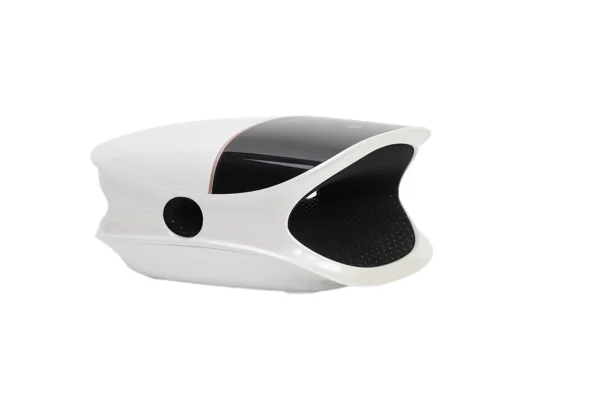
Massage products can produce attractive advertising, but they can also create expensive problems: unclear scale, vague function claims, bulky shipping and customer expectations that the product cannot meet. Product selection should therefore be judged as a full ecommerce offer, not as a factory price comparison.
Start with customer comprehension
A shopper should understand the body area, basic use and main benefit within a few seconds. Hand massagers, neck devices and compact cushions often have a clear use case. More complex products may need better video and detail images to explain the mechanism.
Ask whether the product can be described in one sentence without technical jargon. If not, the listing may require more education than the margin can support.
Check dimensional weight before unit price
Compact wellness products can still have large boxes because of their shape. Obtain product dimensions, retail-box dimensions, master-carton dimensions and carton quantity. Use those figures to estimate storage and shipping before deciding the product is commercially attractive.
A lower unit price can be cancelled by a larger shipping volume or weak carton efficiency. This matters especially for massage cushions and foot-care devices.
Evaluate content potential using the real sample
Strong ecommerce content needs a product that photographs well from several angles and a function that can be shown honestly. Plan the listing before the order:
- White-background front and angle views
- A realistic use image with correct scale
- A control or mechanism close-up
- A simple specification image
- Packaging and included-accessory image
If the main benefit can only be explained with exaggerated graphics, the listing may struggle to build trust. Real details are more useful than decorative effects.
Map functions to customer questions
| Product fact | Customer question | Listing evidence |
|---|---|---|
| Dimensions | Will it fit me or my chair? | Scale image and measurements |
| Charging or adapter | Where can I use it? | Port, cable and power information |
| Heat and intensity | Can I adjust the experience? | Control close-up and accurate levels |
| Materials | Will it feel comfortable and clean? | Fabric and surface close-ups |
| Timer | How long is one session? | Manual and product specification |
Think about return reasons before launch
Many returns begin with a gap between the listing and the actual product. Common risks include inaccurate size, unclear power requirements, expectations of stronger pressure, confusing controls and unrealistic lifestyle imagery. Write a “possible return reasons” list during product evaluation and make sure each point is addressed in the listing.
Choose a manageable first assortment
A small, coherent assortment is easier to launch than ten unrelated products. A brand might begin with one hand massager, one portable cushion and one neck product, then use customer data to decide the next category. Each product should have a distinct job rather than a slightly different appearance.
The Zomarr Products page can be reviewed by category. Current examples include ZMH623, ZMB839, ZMN107 and ZMF912.
Product selection scorecard
- Clear customer and use case
- Shipping size supports the target margin
- Functions are easy to explain and verify
- Real samples can produce credible images and video
- Packaging suits the channel
- Supplier can provide specifications and answer compliance questions
- MOQ fits the launch plan
- Likely return reasons can be addressed before listing
Discuss a Product or RFQ
Send the product model or category, estimated quantity, target country and packaging requirements. Zomarr can then reply against a defined quotation basis.