
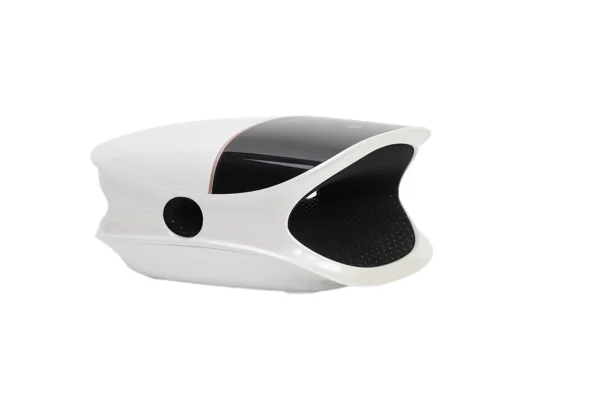
Choosing a massage device supplier is not only about finding an attractive product photo or the lowest unit price. For wholesale buyers, ecommerce sellers, importers, and wellness retailers, the supplier must be able to support product selection, quotation, packaging discussion, delivery planning, and after-sales communication. A reliable massage device supplier helps buyers reduce uncertainty before the first order is placed.
This guide explains how to compare suppliers in a practical B2B sourcing process. It focuses on the points that matter most when buying massage products for ecommerce, retail, distributor channels, or private-label projects.
1. Check Whether the Product Range Fits Your Sales Channel
A good supplier should have a product range that matches your target market. For example, ecommerce sellers may look for compact items that are easy to photograph, easy to ship, and simple to explain on a product detail page. Retail buyers may care more about packaging, display style, carton quantity, and product consistency. Distributors may need several product categories to build a complete catalog.
Before asking for price, review whether the supplier can offer relevant massage product categories such as hand massagers, massage cushions, neck massagers, back massagers, or foot massagers. Also check whether the supplier can explain the difference between models clearly. If several products look similar, the supplier should be able to compare functions, size, charging method, heating, timer, and packaging.
You can start by reviewing the Zomarr Products page to see current selected models for wholesale sourcing.
2. Confirm MOQ, Sample Policy, and Order Flexibility
MOQ is one of the first questions wholesale buyers ask, but it should not be the only question. MOQ may vary by product model, color, packaging, and production plan. A standard model may have a lower starting MOQ than a customized color or packaging version. A supplier should explain the MOQ clearly and help buyers understand what is included in the quotation.
For a first order, it is reasonable to ask about samples, sample lead time, sample cost, packaging sample availability, and whether the sample matches future bulk production. If the buyer wants to test several models, the supplier should be able to recommend a practical sample list instead of pushing every available product.
3. Evaluate Product Information Quality
For online sales, product information is part of the product itself. Buyers need clear model names, specifications, product dimensions, package dimensions, carton information, product functions, image materials, and feature descriptions. If the supplier only provides a short product name and one image, the buyer will need to spend more time preparing listings and customer-facing materials.
Useful product information includes white-background images, detail images, function explanation, product size, battery or power information, working time, heating level, timer, charging method, and common buyer questions. This information helps the buyer build ecommerce listings, catalog pages, advertising landing pages, and RFQ documents.
4. Ask About Packaging and Carton Details
Packaging is important for both cost and sales presentation. A massage device supplier should be able to discuss color box, master carton, quantity per carton, carton size, gross weight, net weight, and packaging customization options. For ecommerce sellers, packaging may need to survive parcel delivery. For retail buyers, packaging may need stronger shelf appeal.
If you plan to sell through Amazon, Shopify, retail stores, or distributor channels, tell the supplier your channel early. The supplier can then provide packaging suggestions and quotation details that match the sales channel.
5. Discuss Quality and Compliance Communication
Quality communication should be clear and realistic. Buyers should ask what checks are normally made before shipment, what product information can be verified, and what certificates or compliance documents may apply to the target market. Certification needs may vary by country, product configuration, power adapter, battery, and buyer requirements.
A serious supplier should not overpromise. Instead, the supplier should help clarify which documents are available, which details need to be confirmed, and whether additional testing may be required for the buyer’s market.
6. Compare Communication Speed and Accuracy
Fast replies are useful, but accurate replies are more important. A good supplier should ask clarifying questions when the RFQ is incomplete. For example, if the buyer asks only for a price, the supplier may still need target country, expected quantity, packaging needs, delivery destination, and preferred model.
Good communication reduces mistakes. It also helps the buyer understand what information is needed before quotation and production.
RFQ Checklist for Buyers
- Product model or product category
- Expected order quantity
- Target market or country
- Sales channel, such as ecommerce, retail, distributor, or gift channel
- Packaging preference
- Sample request and expected timeline
- Delivery destination or shipping term discussion
- Certificate or compliance questions
Final Thoughts
The right massage device supplier should make sourcing easier, not more confusing. Buyers should look for clear product information, practical MOQ discussion, packaging support, quality communication, and a fast RFQ workflow.
If you are sourcing massage products for ecommerce, retail, or distributor channels, contact Zomarr with your target market, expected quantity, and product category. We will help you review suitable models and prepare wholesale quotation details.